
The 2024-25 Special Projects grants showcase the creativity, resilience, and deep commitment to music education and performance demonstrated across the Greater Philadelphia music community. From youth music education programs to organizational transformations, we share how thirteen projects – alongside ten general operating support grants – have expanded access, built community, and strengthened the infrastructure of music organizations.
Youth Education and Pipeline Development
Several projects focused on meeting young musicians where they are and creating pathways for sustained engagement. One standout initiative launched a chamber music program specifically designed for students transitioning from elementary to middle school – a critical juncture when many young musicians drop out. Starting with four committed students meeting weekly on Friday nights, this program proved so successful that enrollment more than doubled by fall, demonstrating the power of creating age-appropriate musical spaces for emerging artists.
Another remarkable project integrated music history with literacy and visual arts, introducing more than 150 elementary and middle school students to the legacies of diverse musicians, particularly BIPOC and Philadelphia-based artists. Students explored the lives and work of legendary performers through portrait sketches, instrument exploration, creative writing, and group discussions. The program distributed over 150 books about musicians and included performances by teen music ambassadors, resulting in 96% of students demonstrating increased awareness of musical genres and artist contributions.
Youth choral programs also expanded their reach through strategic partnerships. One collaboration brought together students from different choir programs across Philadelphia to create meaningful connections.
Organizational Capacity and Innovation
This year saw bold organizational transformations that will shape the field for years to come. In a historic merger, two youth choir organizations successfully transitioned from separate entities into one unified organization, preserving beloved traditions while creating new opportunities for creative participation. The newly formed ensemble held its first joint performance titled “Together in Harmony,” marking a significant milestone in organizational integration and community building.
Another organization pioneered a Company Artist model, employing four artists as full-time salaried staff members who both perform in productions and support operations and outreach. This innovative approach provides emerging artists with crucial professional development opportunities while strengthening the organization’s capacity to serve its community.
Access and Community Building
Several projects prioritized removing barriers to music education and performance while fostering relationships (just because you say “create meaningful connections” a few paragraphs above within and across communities. One music education project invested in trauma-informed teaching practices and careful curriculum development to serve students in its class effectively. A chamber music program ensured all instruments and instruction remained completely free for families, securing support from multiple foundation partners to eliminate financial obstacles.
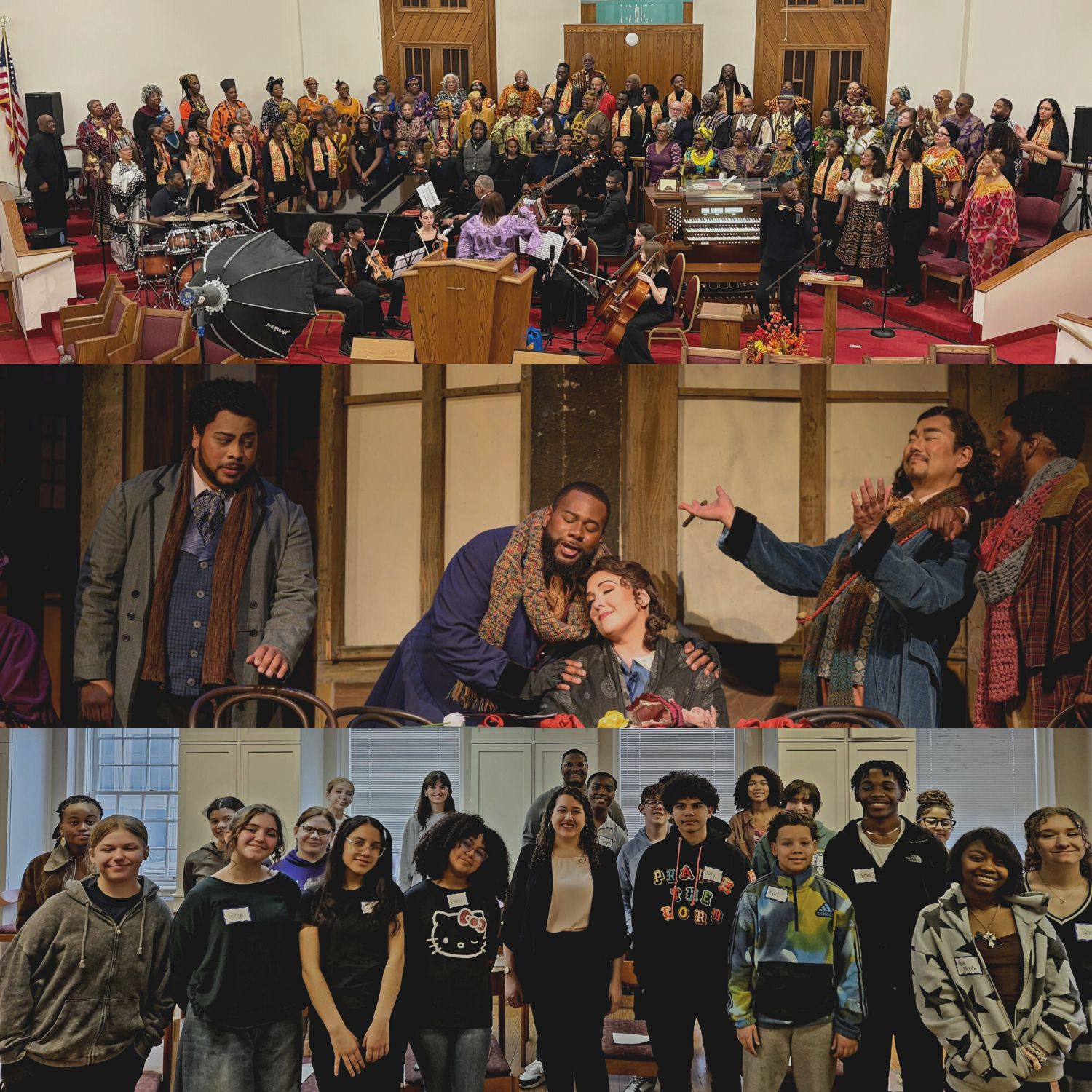
Community engagement took center stage in several initiatives. One vocal ensemble launched a program focused on community connections, partnering with another music organization to present concerts in neighborhood spaces. This has created opportunities for audiences to experience professional and new choral music in accessible, familiar settings. Another community concert brought audiences together specifically to celebrate the work of African American composers, featuring seven composers alongside choirs and artists representing diverse musical styles. These projects demonstrate how thoughtful partnerships and intentional venue selection can break down traditional barriers between arts organizations and the communities they serve.
Digital Innovation and Educational Resources
Recognizing the ongoing need for accessible digital content, one ensemble created a comprehensive series of educational music videos designed for multiple age groups and learning levels. These resources extend the organization’s reach beyond traditional performance settings and provide valuable tools for music educators and families.
Supporting Organizational Stability
In addition to these special projects, ten recently established organizations received general operating support this year, providing crucial flexible funding that allows music organizations to maintain their core operations, retain talented staff, and respond nimbly to opportunities and community needs. These nonprofits represent diverse approaches to music education and performance, including a youth choir building empathy and technical skills, a comprehensive vocal arts training and workforce development program, and a global music education program introducing young children to cultures worldwide through song and movement.
Organizations receiving general operating support through Special Projects are in their early years of development, having launched within the past five years. For these organizations, flexible funding is especially critical as they establish administrative systems, build community relationships, and prove their programmatic models. General operating support provides the stability these emerging organizations need to focus on sustainability, allowing them to invest in infrastructure and develop the organizational capacity necessary to expand their impact and serve their communities effectively.
Looking Forward
These projects and organizations represent more than individual program successes – they demonstrate the music community’s commitment to equity, innovation, and sustainable growth. Whether through organizational mergers that strengthen capacity, pipeline programs that retain young musicians during critical transitions, or community partnerships that bridge divides, these initiatives and organizations are building a more vibrant and inclusive musical ecosystem.