
Since 2020-21, The Presser Foundation’s Capital Support grant program has funded building, renovation, and other capital needs such as equipment, technology, hardware, and software.
Over the past several years, staff have observed that many private foundations are reluctant to fund capital projects. While large donations often support construction and major renovations, smaller infrastructure needs tend to receive less attention and funding. Although general operating support can be used for capital projects, combining these funds can enhance a nonprofit’s efforts.
To illustrate how smaller infrastructure projects can boost nonprofits’ capacities and abilities, we’ve gathered information from grantees about recent capital projects and purchases. These smaller infrastructure efforts demonstrate the variety of requests the Foundation receives and can fund under its broad definition of “capital support.” Each story is directly sourced from an organization’s report, hence the use of first-person language.
Rowan Community Music School – Choral Risers
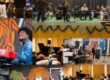
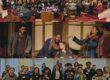
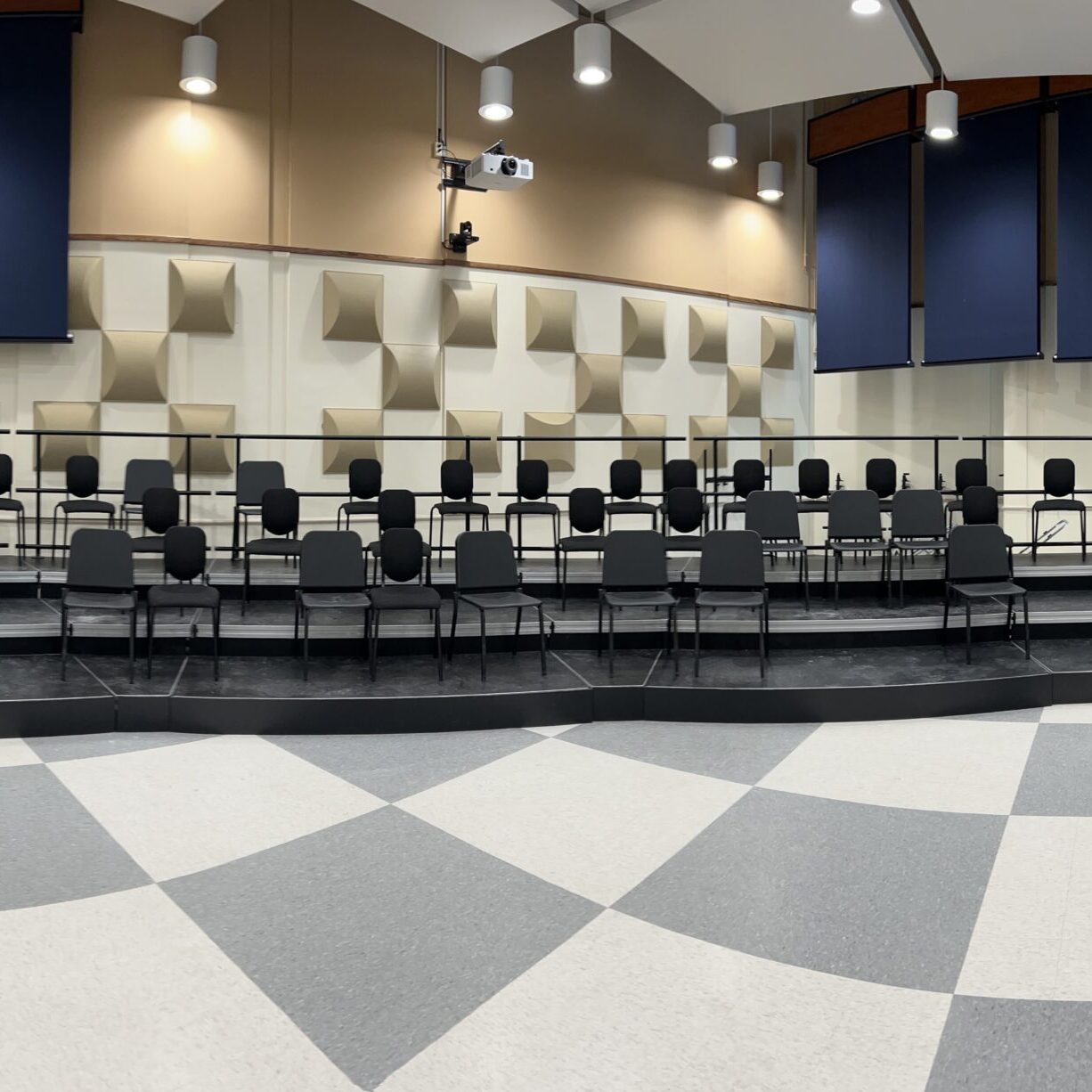
Rowan University has implemented a number of capital and renovation projects to update our performance and practice venues. Installation of new choral risers in the choral rehearsal room was a critical component of this work as our original risers were nearing the end of their functional and safe use. The risers, used to educate Rowan University students as well as community members through the Community Music School, serve approximately 80 artists on a daily basis.
The replacement of our Choral Risers has had a significant and positive impact on our organization, the constituents we serve, and our overall facility plans for Wilson Hall. The new risers have ensured the uninterrupted use of our space during rehearsals, allowing our students and faculty to focus on their artistic craft without concerns about safety or functionality. The removal of the old risers, which were nearing the end of their usefulness, has also alleviated potential risks and logistical challenges.
The upgraded risers have been met with great enthusiasm from both students and faculty, who have expressed their appreciation for their improved appearance, expanded capacity, and solid, reliable construction. These enhancements have not only elevated the rehearsal experience but also contributed to a greater sense of pride and professionalism within our program.
Opera Philadelphia – Communications System Upgrade
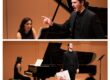
The new communications system allows Opera Philadelphia backstage staff to facilitate backstage communication safely, reliably, and legally during production periods. Without the need for rental units, Opera Philadelphia saved money for two of its 2024-25 season productions (The Anonymous Lover and Don Giovanni) and will continue to see significant expense reduction in future seasons. The expandability of the system will also allow the opera to add equipment in the future to expand the number of backstage professional users.
Ars Nova Workshop – Database Upgrade
Ars Nova requested this grant to complete the buildout of our bespoke database and to facilitate the transfer of our data into the database. Both of these aims have been achieved. The buildout of the database, NovaConnect, has been completed, and we have transferred much of our data with our existing ticketing provider (Dice) into the database. The consultants we have been working with, Fine Mountain Consulting (FMC), have also set up a process for the data to be transferred from Dice to NovaConnect on a weekly basis, creating new records for new ticket buyers and attaching new information to existing ticket buyers. We are currently working with them to do the same for our PayPal transactions from donors, so that we will be able to automate much of the data entry that needs to happen as we move forward. Our remaining task, which is currently in process, is to transfer as much of our “old” data as possible into NovaConnect. This has meant cleaning up spreadsheets, etc., and much of this work has been done. We will continue to populate the database with new information as it is generated and “old” information as it is converted.
The impact of the project will be seen as we continue to aggregate, analyze, and learn from our data. We have already experienced the much greater ease with which we can understand the giving and ticketing history of our audiences and stakeholders. We continue to explore the deeper significance of such information and how to leverage the information to make our operations more efficient and more responsive.
Elevate Vocal Arts – Various Capital Needs
With the purchasing power [from these Capital projects], we have ultimately been able to save funds, reallocating them to more directly impact our professional, emerging, and student Vocal Artists. For example, the keyboard and associated accessories have been used at almost every Summer Institute event and Elevation event, eliminating the cost of renting a keyboard. The high-quality camera equipment means that we can take photos and video in-house and give the Apprentices the experience of using the equipment, furthering their workplace skills. Music folders will be used within school residencies and in our professional ensemble to provide a sense of community and professionalism.
Additionally, we have pivoted with some of our capital needs to better steward these funds. Instead of getting an iPad Mini, we purchased an iPhone which allows us to connect to WiFi networks and directly upload photos and video to our social media channels and editing software. Instead of music stands, our personalized folders serve the same purpose with a smaller footprint, saving on storage space. Our nonprofit membership through Canva meant that we were able to download Affinity Publisher for free, opening funds for better recording equipment through the Zoom recorders and DJI microphones. While capital needs will continue, the grant from The Presser Foundation has significantly enhanced Elevate Vocal Arts’ programming abilities.