
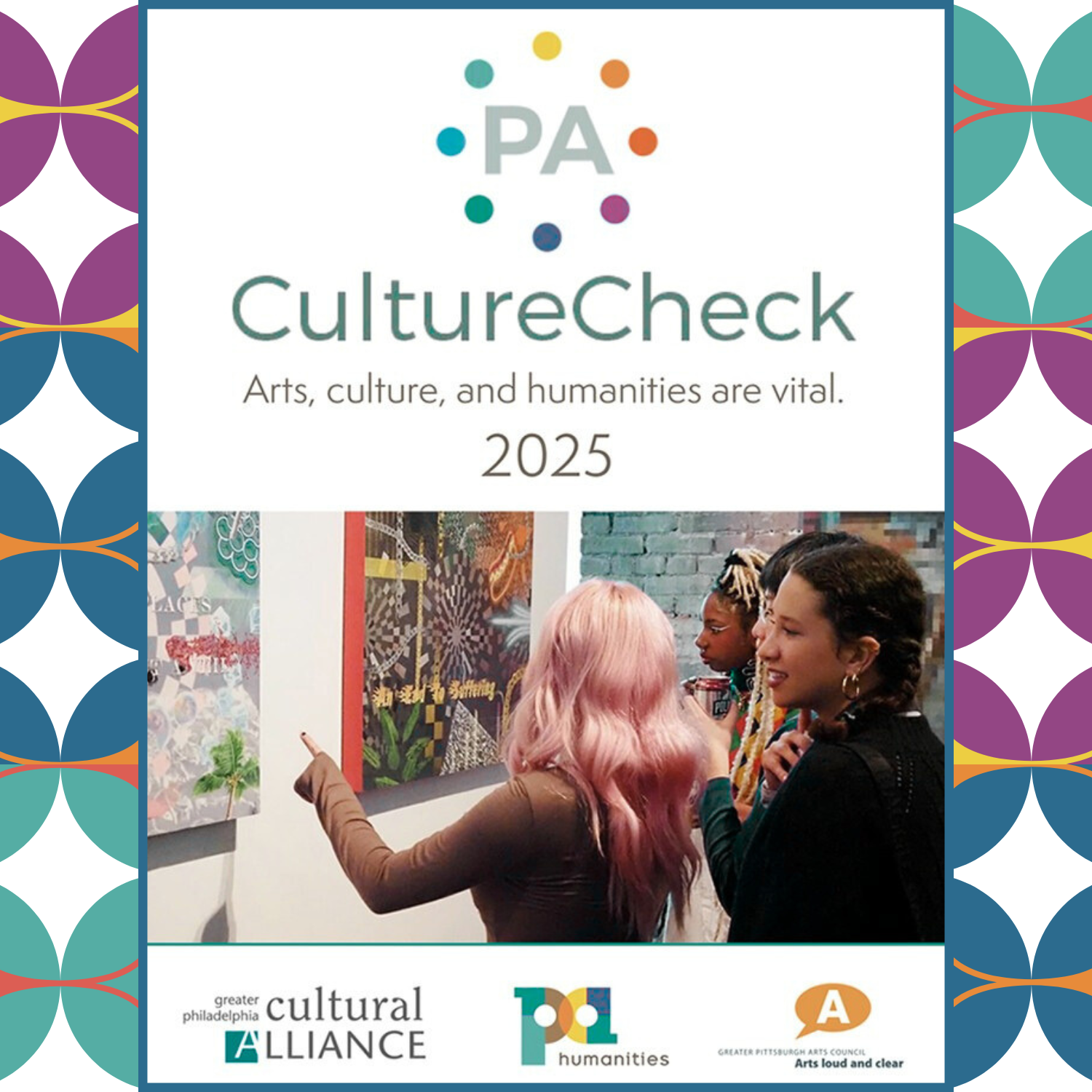
A recent review session of the 2025 report findings highlighted positive developments, including a three-year trend of recovery in attendance. In 2022, 11% of organizations reported a full return to pre-pandemic levels, a figure that has increased to 50% in 2025. Arts and culture organizations also see value in partnering with others to reach a larger audience. Ninety-five percent collaborate with community groups and institutions to deliver programs, 74% with schools, 63% with parks and recreation centers, 29% with senior centers, and 28% with farmers’ markets or food pantries. These figures have steadily grown, reflecting a stronger commitment to collaboration aimed at increasing arts access and fostering social connections. Furthermore, arts organizations are expanding their programs to support mental and physical health, social justice, incarceration, and other important issues.
The study and follow-up focus groups also revealed several concerns. Although the arts and culture sector contributes $3.3 billion to the economy, organizations face funding issues. Salaries are a major concern as workers seek raises to keep up with inflation. Only 32% of organizations reported revenue increases, while 29% experienced declines, leaving 39% with unchanged revenue. The combination of rising salaries and operational costs, along with increased requests for assistance (as seen in Arizona, Colorado, and Missouri), creates significant pressure on the sector to do more with less.
To add on to the funding challenges, 91% of arts and culture organizations are projected to be impacted by federal funding cuts and changes, with 74% concerned about cuts to the National Endowment for Humanities (NEH), National Endowment for the Arts (NEA), and Institute of Museum and Library Services (IMLS). Many of those cuts will also filter down and affect grants from those agencies to state and local intermediaries, as Pennsylvania receives $123 million from those three agencies and the Historic Preservation Fund at the National Park Service.
While these may seem like dire projections, there are ways for funders and nonprofits to advocate for this sector to increase visibility and demonstrate the vital role the arts and humanities play in addressing social isolation, mental health, economic mobility, and civic trust. Investing in advocacy, research, and efforts to grow on-the-ground champions for the sector is essential; funders can also provide relief funds, bridge loans, and investments in infrastructure to their partners and grantees.
The PA CultureCheck, as well as the other work that GPCA and PA Humanities do on behalf of their members and the entire sector, is essential to understanding the current realities that arts and culture organizations face. At the Foundation, we utilize research, resources, trends, and stories to inform our decision-making regarding grantmaking, communication, and financial priorities. We’ve heard from multiple surveys about the challenges the nonprofit sector faces; PA CultureCheck shares longitudinal data, relevant points, and vital stories about arts organizations specifically that help inform our understanding. As we work toward implementing our strategic planning priorities, this work remains essential to us and to others in the field who are committed to strengthening the music ecosystem and the arts and culture sector as a whole.